
Why Locals Still Don't Eat at Hotel Restaurants
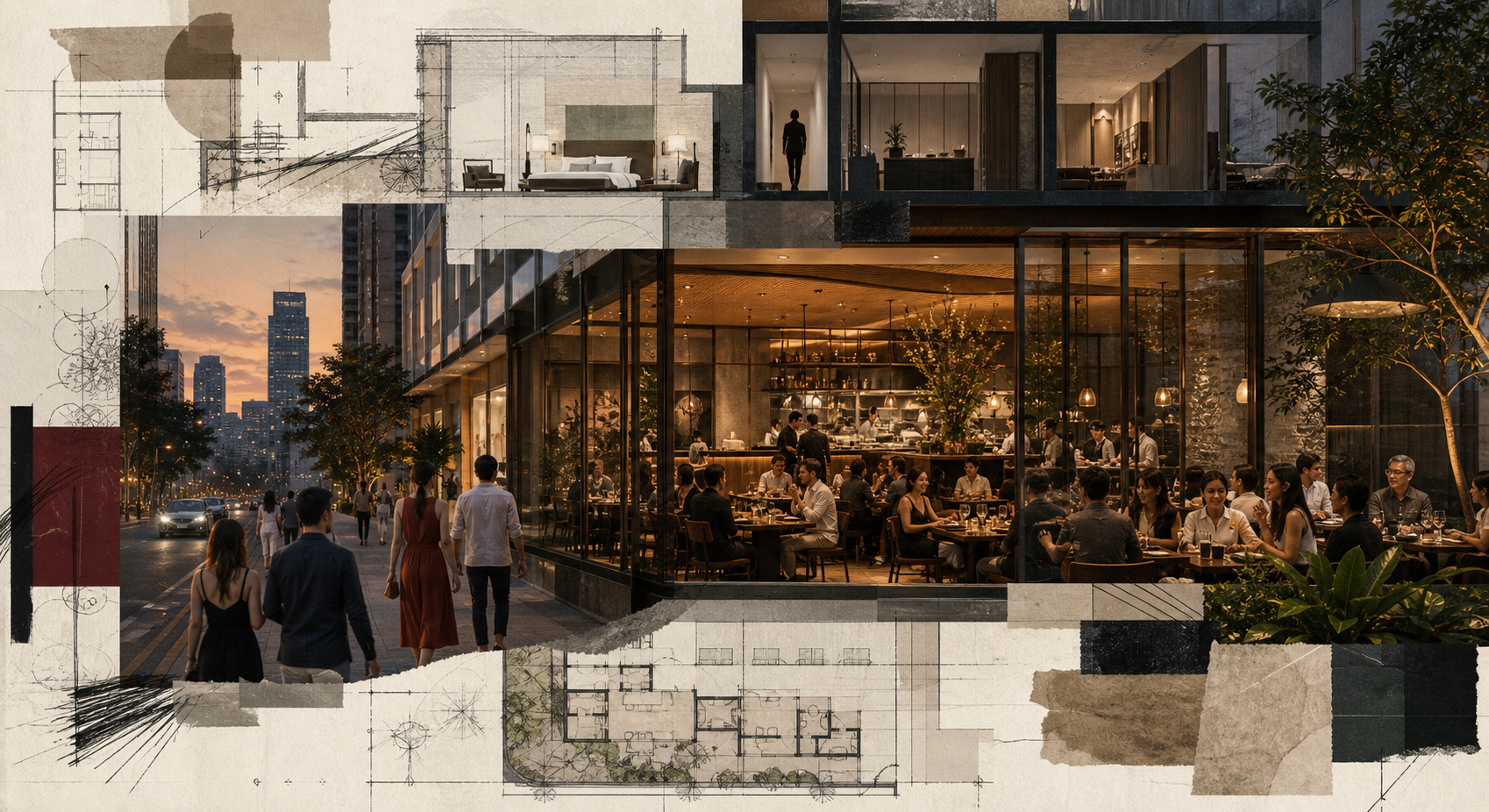
This week in Bangkok, I am giving a talk called The Restaurant Is the New Lobby at The Boutique Assembly.
As titles go, it has just enough confidence to make me slightly nervous, especially when I will be saying it in front of 100+ boutique hotel developers, operators and design partners who have spent a considerable amount of time/money on both restaurants and lobbies.
The idea behind the talk is fairly simple. Hotels used to express their identity through the lobby, while the restaurant sat off to the side, serving breakfast and trying to look busy for the rest of the day. Now, the restaurant and bar are often the places that give a hotel its public identity, particularly with people who live in the city and have no need for a room upstairs.
The problem, of course, is that locals have plenty of other places to eat.
They are not grading hotel restaurants on a curve. They do not care how many departments approved the menu, or how heroic the procurement team had to be to get the chairs through customs. They want to know why they should come here instead of going to the independent restaurant down the road.
And too often, we have not given them a very good answer.
Somewhere along the way, the room became the concept
I do not believe hotel restaurants struggle because developers and operators do not care. Most invest heavily and spend years trying to get these projects right. I am also aware that telling a room full of developers that hotels routinely get restaurants wrong is a good way to make the coffee break slightly awkward.
What I do think is that the process often happens in the wrong order. The space starts being designed before anyone has properly agreed on the target market, the occasion or the reason the restaurant should exist. By the time the concept arrives, the size of the room, the number of seats, the kitchen, the entrances and sometimes half the finishes have already been decided.
At that point, the concept is not shaping the restaurant. It is being asked to explain a floor plan.
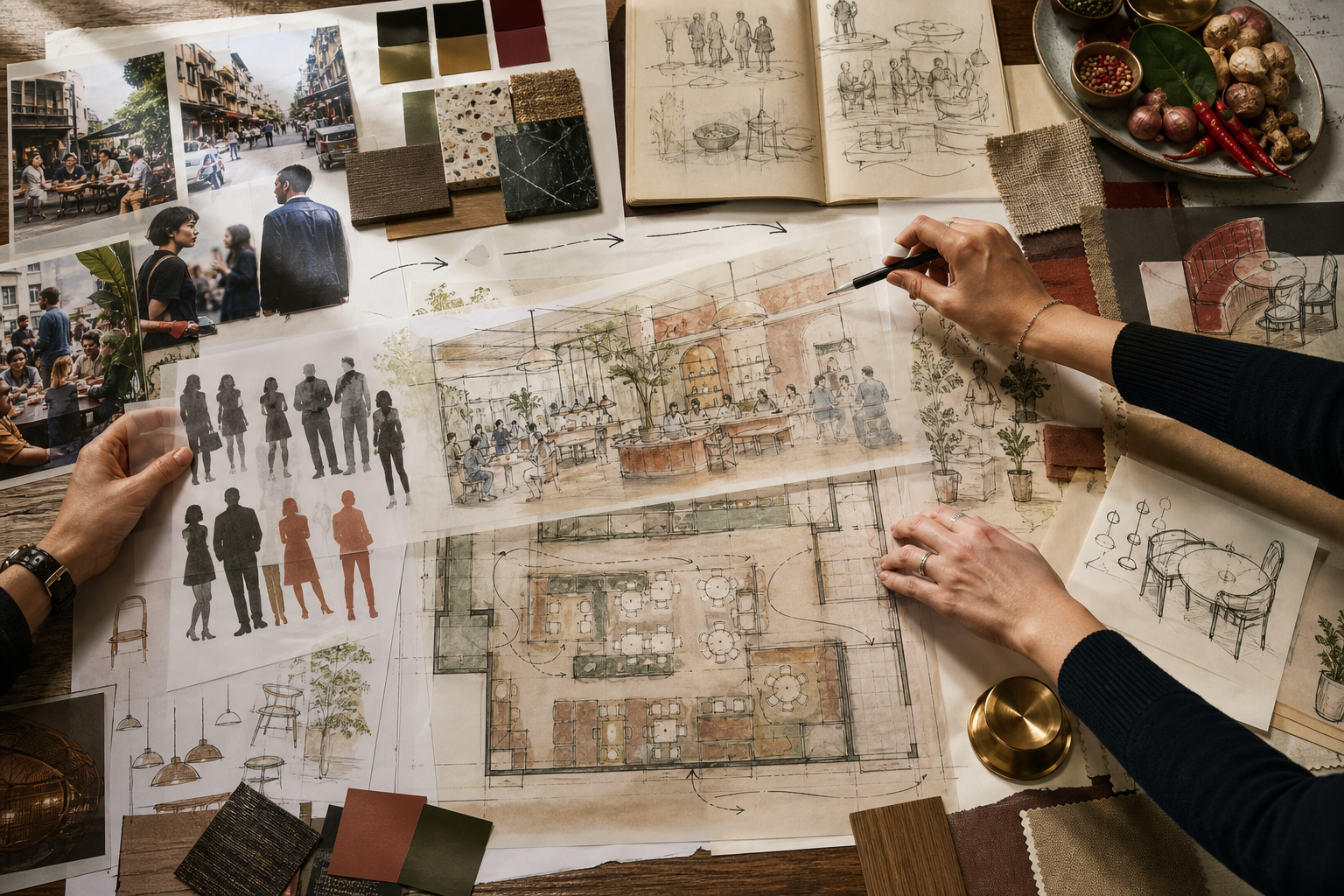
We have all sat in meetings where a chair fabric is debated with the intensity of a constitutional crisis, while nobody can clearly describe who is supposed to sit in it. I say this with affection, and with the uncomfortable knowledge that I have participated in more of these meetings than I care to count.
The first conversation should be about the market. Who are we trying to attract, when will they come, what will they spend, and what can we offer that feels relevant rather than merely convenient? Only then should the concept influence the planning, design and operation. This sounds obvious when written down, which is usually a warning sign that it is much harder in real life.
Locals are not hotel guests without a room key
Hotels sometimes talk about attracting the local market as if locals are simply waiting to be informed that the restaurant exists. Put out a press release, invite a few influencers, add a rooftop photograph and wait for the bookings to roll in. If only it were that easy.
Local guests already have habits, favourite places and a highly developed sense of where they belong. They may assume a hotel restaurant will be expensive, formal or full of people eating from a breakfast buffet. If the arrival requires walking through a lobby, asking a concierge for directions and passing a meeting room called Orchid III, that impression becomes difficult to shake.
This does not mean hiding the hotel. It brings credibility, service and a ready audience of travellers, but the restaurant still needs its own identity and a reason for someone from the neighbourhood to choose it on a Tuesday night.
That means engaging with the city beyond opening week. The venue needs its own voice, relationships and place in the local conversation. If every piece of communication begins with the hotel name and ends with the room count, we should not be surprised when locals assume the restaurant is for people staying there.
What we tried to do at Kimpton Naluria Kuala Lumpur
When LEVELS began working on Kimpton Naluria Kuala Lumpur, the goal was not to create four hotel venues and then find different names for them. Each venue needed its own audience, occasion and personality, and had to make sense in Kuala Lumpur before it made sense inside the hotel.
Tuai + Till brings together a Malaysian café and a Western brasserie in a dual dining concept. Four Siblings is a spice-led rooftop bar. Rise & Grind takes its cues from kopitiam culture in the form of a takeaway coffee bar. Sabato's is an Italian-American restaurant with the generous, slightly excessive spirit of a 1970s red-sauce joint, which is probably the only acceptable kind of excess before a plate of giant meatballs.
The reasons to visit are different. Someone might go to Rise & Grind for coffee, meet friends at Four Siblings, or book Sabato's for dinner without thinking of them as supporting facilities for a 466-room hotel.
That was the intention. I have worked in hospitality long enough to know that no consultant gets to declare victory because the strategy deck looked convincing. The concept only becomes real once the operators, chefs, bartenders and marketing teams test it against actual guests.
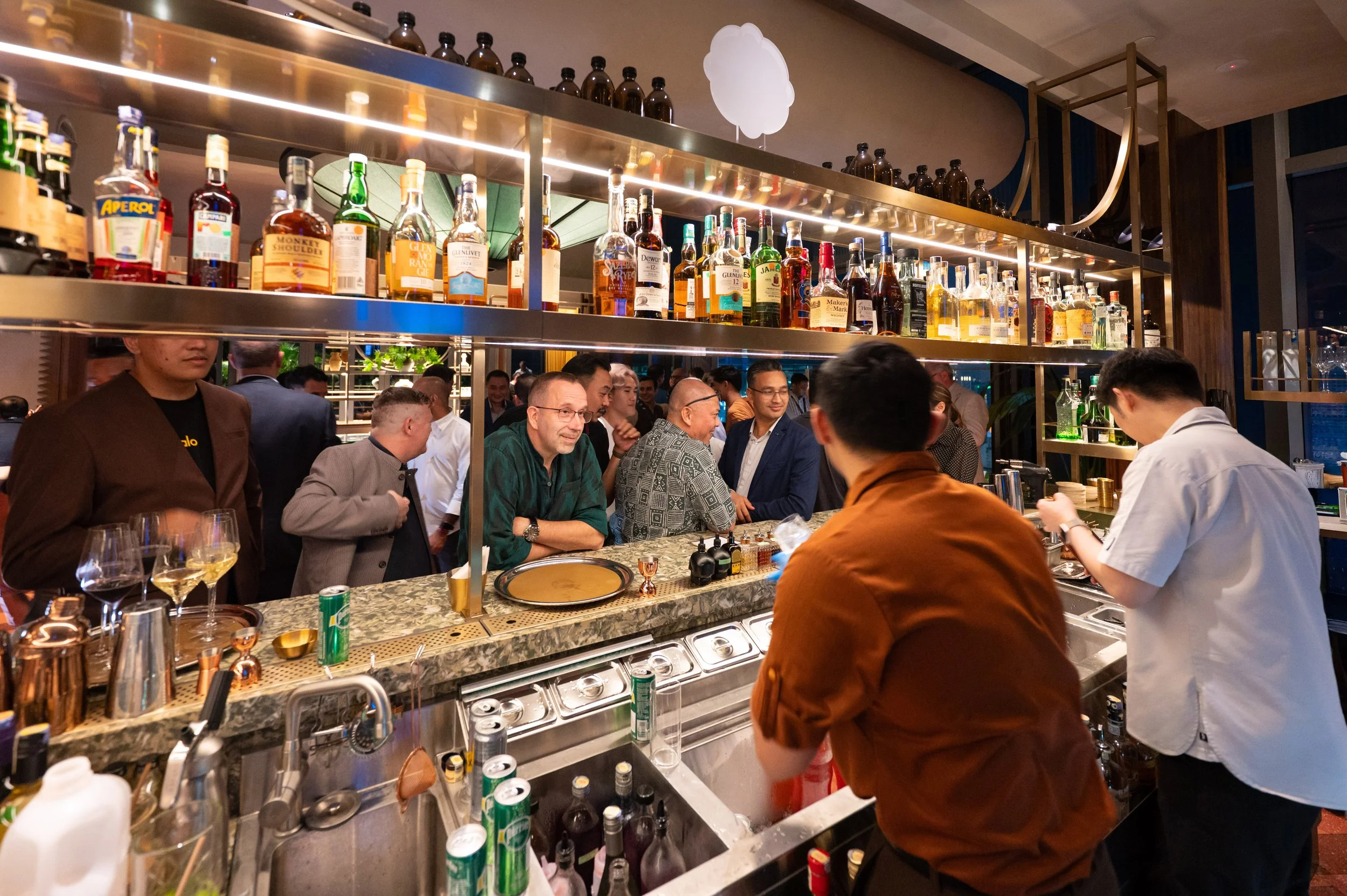
Four Siblings - Kimpton Naluria Kuala Lumpur
One important decision was to communicate them as restaurants and bars that happen to be in a hotel. If people say, “Let's go to Four Siblings,” rather than, “Let's go for a drink at the Kimpton,” the venue has begun to build a life of its own.
The concept after the concept
Even when a project starts with a strong idea, there is still the small matter of surviving the next three or four years.
The concept passes through design, budgeting, procurement, recruitment and operations. Nobody intends to weaken it. Usually, it happens through sensible decisions: a material changes, equipment disappears, the menu grows, the music becomes safer, or the marketing slips back into familiar hotel language.
Eventually, the venue opens with the original name but only a faint resemblance to the original idea. There is rarely one villain in this story. It is death by a hundred reasonable emails.
Somebody needs to carry the concept all the way through, not as the person who says no to everything, which is not a useful way to remain invited to meetings, but as the person who helps the team decide what matters and where compromise is possible.
The best hotel restaurants have not disguised themselves as independent restaurants. They have done the harder work of becoming relevant to the people around them. They know who they are for, give them a reason to return, and protect that idea long after the opening photographs have been taken.
That, at least, is what I plan to tell the room in Bangkok. Ask me afterwards whether they agreed.
LEVELS is a hospitality strategy and concept development studio specialising in food and beverage for luxury hotels and lifestyle destinations across Asia Pacific and the Middle East.
