
Kimpton Naluria Kuala Lumpur - After Six Years, the Doors Are Open
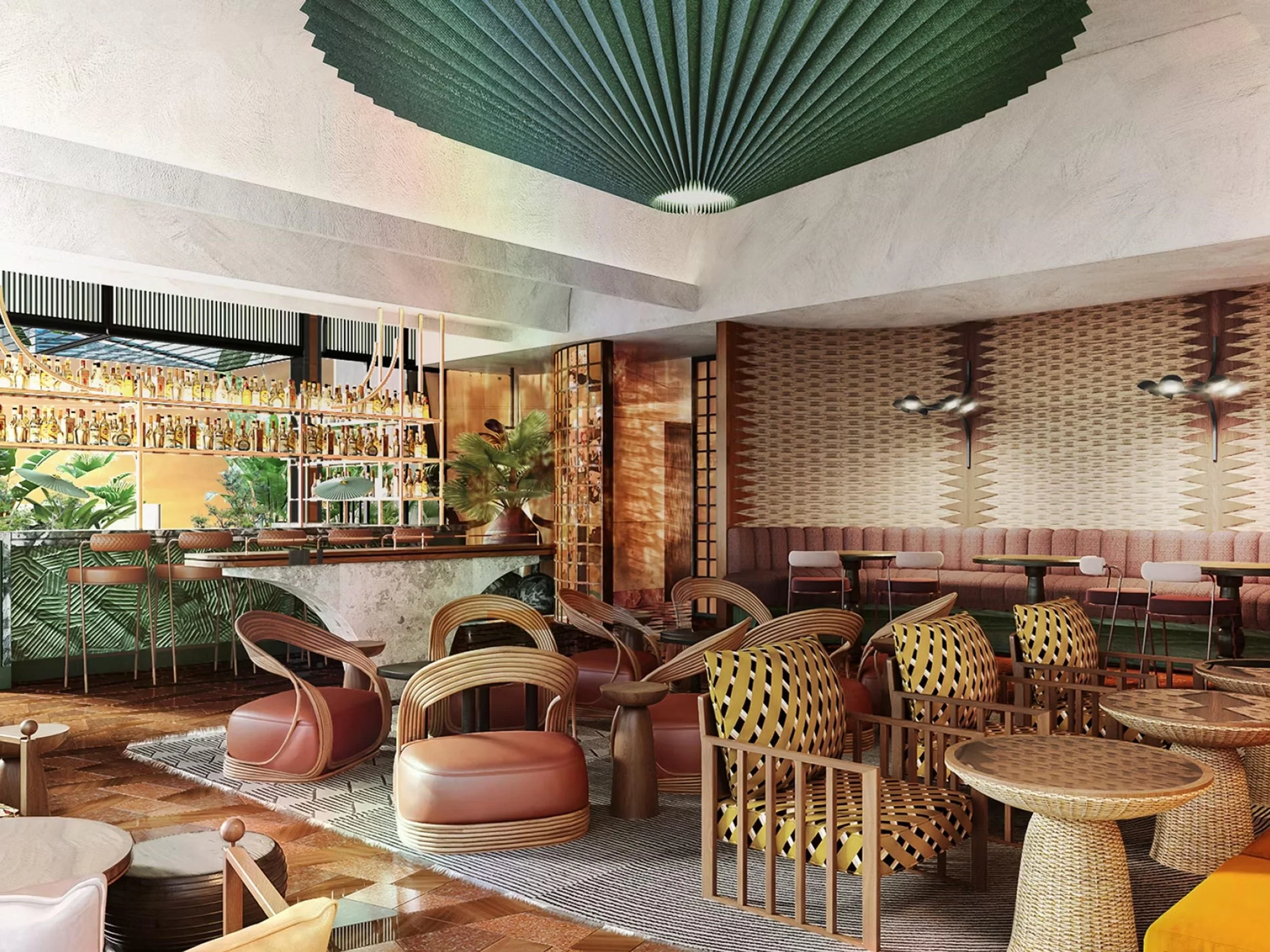
Six years is a long time to carry a project with you.
Long enough for early ideas to feel like they belong to a different chapter of your life. Long enough for teams to change, priorities to shift, and for you yourself to evolve in ways you couldn’t have predicted when the project was first awarded. Kimpton Naluria Kuala Lumpur has existed alongside me through all of that, surfacing in intense bursts of activity, then receding during pauses, redesigns, and inevitable delays while life continued to move around it.
When we were first awarded this project, it felt monumental, not because of its scale, but because of the moment it arrived. I was in the middle of transitioning out of CKP and setting up LEVELS, and this was our first real project. The first one that truly belonged to us. Not a side effort or a bridge between chapters, but a clear signal that this new path was real. Almost immediately after, COVID hit and unsettled everything the industry thought it could rely on. Projects stalled, plans were put on ice, and certainty became a rare commodity.
In that context, this hotel became a life preserver.
It mattered financially, of course, but more importantly, it mattered emotionally. It gave us something solid to hold onto when very little else felt stable. It reinforced why I wanted to build LEVELS in the first place: to stay close to projects that had meaning, to think long term, and to keep moving forward even when the path wasn’t clear.
There was also a personal connection that made this project feel especially close to home. The very first hotel I ever worked in, many years ago in Vancouver, was the Kimpton Pacific Palisades. It has now long gone, but still vivid in my memory. It was my introduction to a different way of thinking about hospitality. One that valued warmth over formality, personality over polish, and a sense that hotels could feel relaxed and human while still being taken seriously. That early experience stayed with me far more than I realised at the time.
So to find myself years later, living in Kuala Lumpur and helping bring a Kimpton to life here, felt like a full circle moment.
Different city, different role, different stage of life, but rooted in the same values. Seeing that come together in what has become my home made this project deeply personal in a way that’s hard to manufacture.
As with most long hospitality projects, the road to opening was anything but linear. There were delays, redesigns, and moments where ideas had to be rethought entirely. Teams evolved, careers moved forward, and priorities shifted along the way. At times, the project crept forward while life accelerated around it. At other moments, the hotel surged ahead while everything else seemed to pause. You don’t come out the other end unchanged, and that’s part of what gives projects like this their weight.
When the hotel finally opened, what surprised me most was how understated the moment felt. The real payoff in hospitality is rarely the presentations or the polished decks that occupy so much of the process. It’s the moment the space opens to the public and stops being theoretical. When guests arrive without knowing the backstory, and staff move through the space naturally because it works, not because it was explained to them.
Opening day is less a finish line and more a handover.
There’s a clear shift when a project moves from development to operations, from control to trust. The operations team steps in and truly takes ownership, and that’s when the hotel begins to live its real life. They’re the ones who will shape how the space feels on an ordinary Tuesday afternoon, not just on opening night.
Watching that transition at Kimpton Naluria KL brought a sense of pride. Not the loud, celebratory kind, but the calmer satisfaction that comes from knowing when to step out of the way. Adding to that was the opportunity for LEVELS to remain involved beyond opening as part of the property’s branding and marketing team. Being able to support a project from early concept through to how it speaks to the world once it’s open is rare, and that continuity has been incredibly rewarding. It reinforces the belief that strategy, design, and storytelling are strongest when they’re connected rather than treated as separate exercises.
Around the same time the hotel opened, my life shifted in a far more personal way.
I became a parent. I didn’t expect how closely those two experiences would mirror each other. Both involved years of preparation, anticipation, and moments of quiet anxiety. Both ended with the same realisation: you can guide, shape, and care deeply, but eventually you have to let go.
With a child, you do everything you can to set things up properly, then you realise the work is no longer about control. It’s about support and trust. The same is true of a project like this. At some point, you stop shaping and start watching others make it their own, adapting and responding in ways you never could from the outside.
Seeing Kimpton Naluria Kuala Lumpur open wasn’t about declaring success or closing a chapter neatly. It was about relief, gratitude, and recognizing how much patience and resilience it took to get here. I’m proud of what the broader team has built together, and grateful to the collaborators who stayed the course and trusted the long view.
Now comes the part I’m most interested in. Watching the hotel settle into its rhythm, develop its own personality, and become part of the city in ways no plan or drawing could ever fully predict. Letting it live beyond the process and become something real.
After six years, that feels like the right place to leave it.
