
What a room full of independent thinkers in Bangkok reminded me about hotel F&B, good concepts and the hundred reasonable decisions that quietly weaken them.
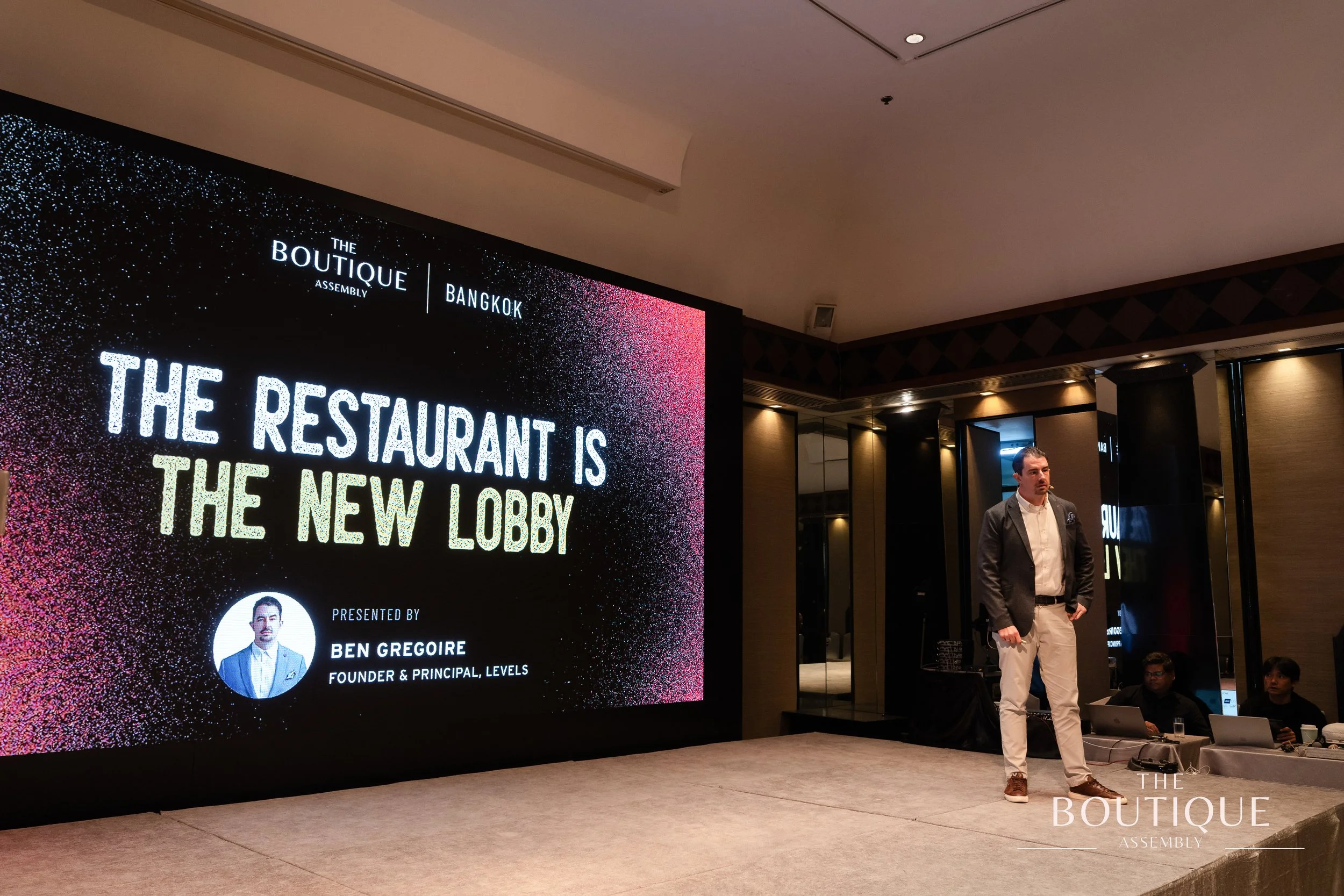
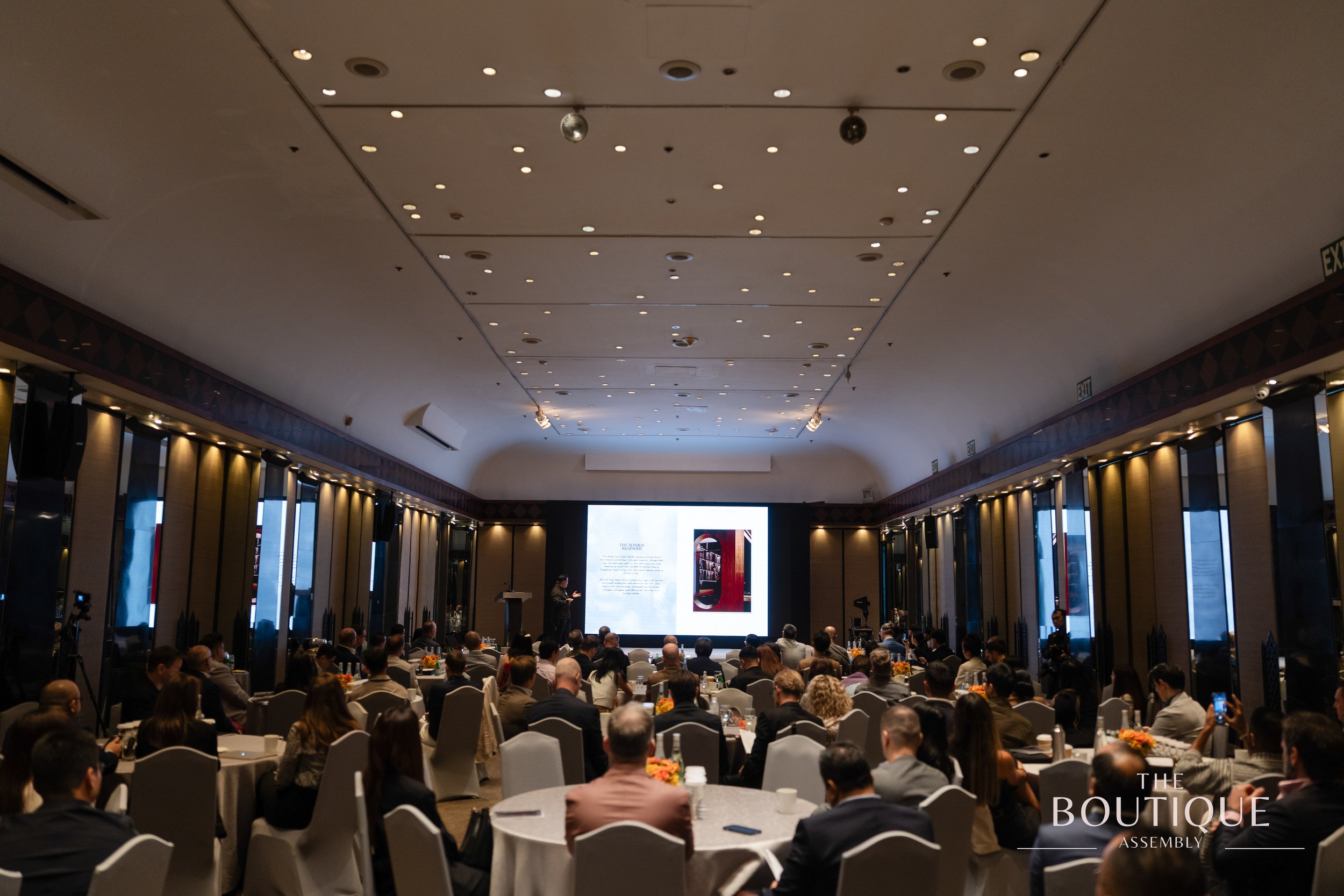
Recently, I had the pleasure of speaking at The Boutique Assembly in Bangkok, a thoughtfully curated gathering created by Sanjog Modgil and Julie Ockerby.
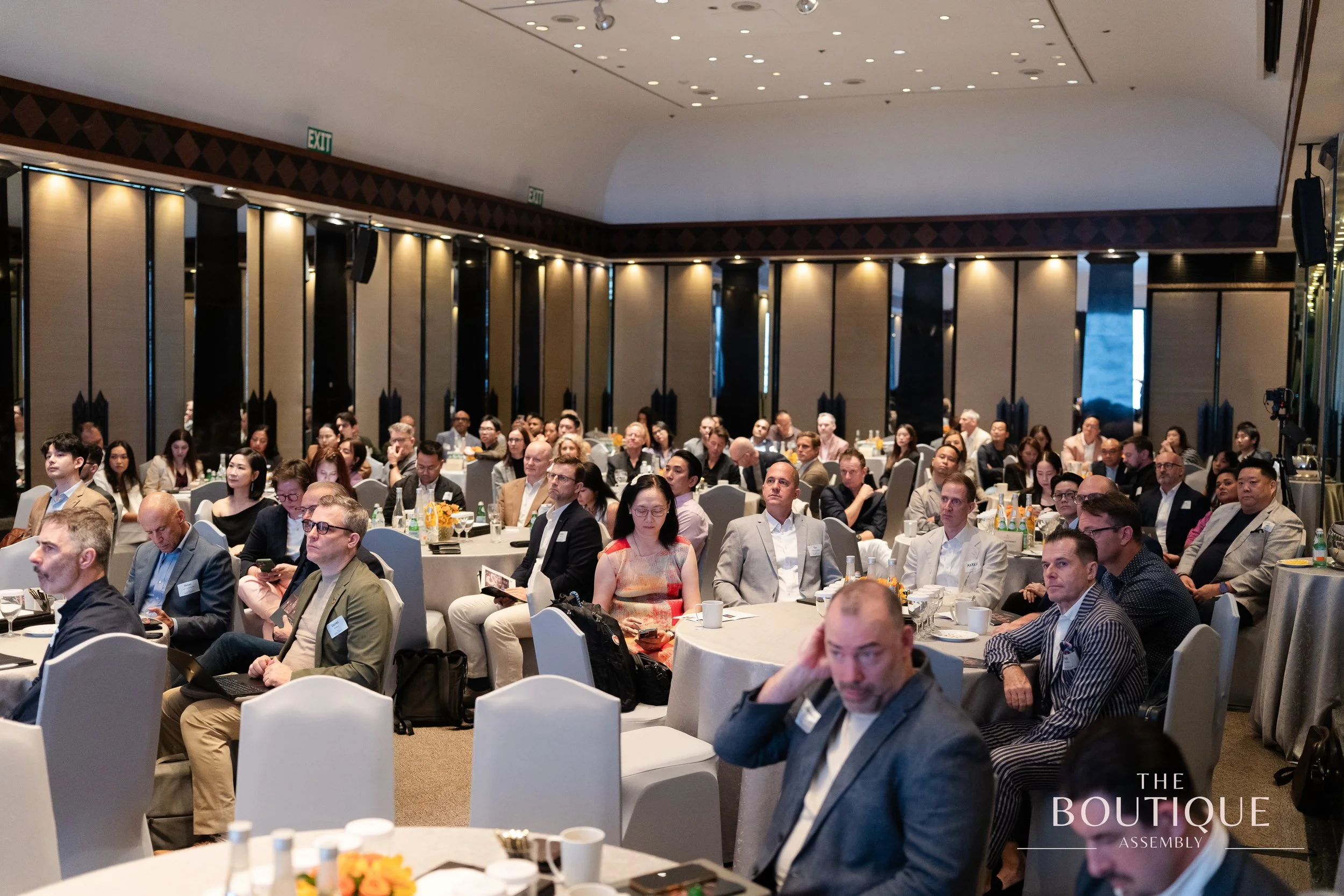
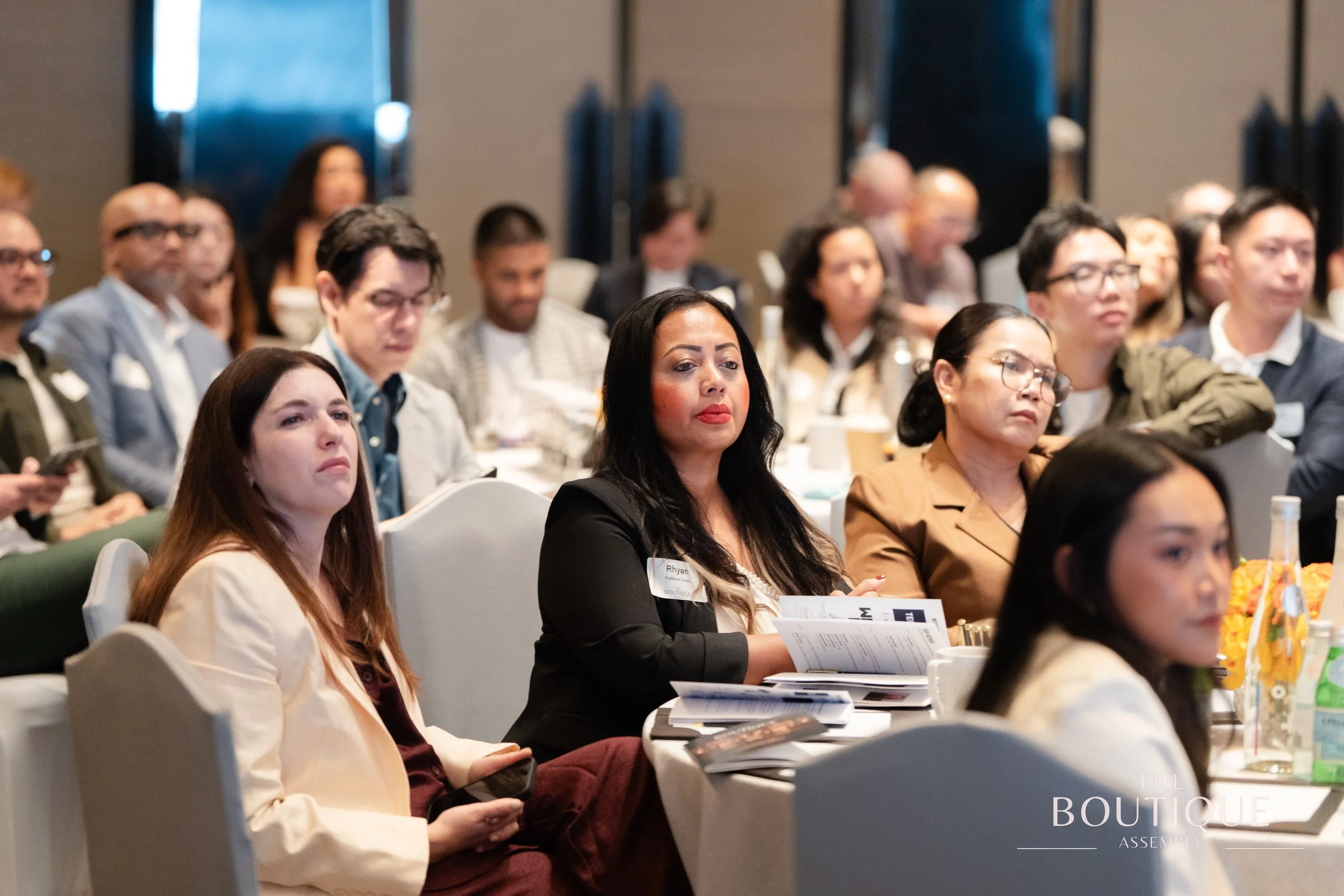
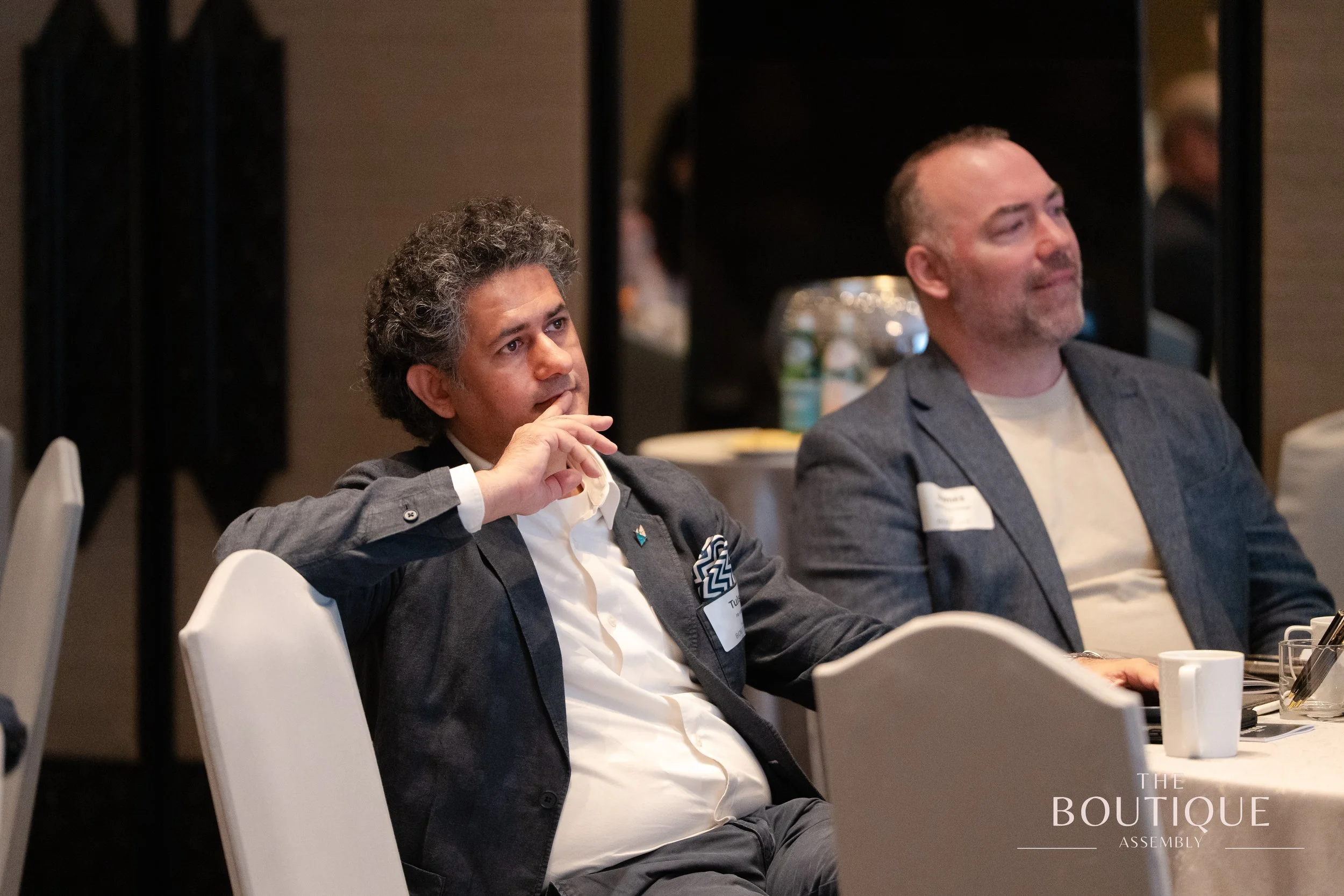
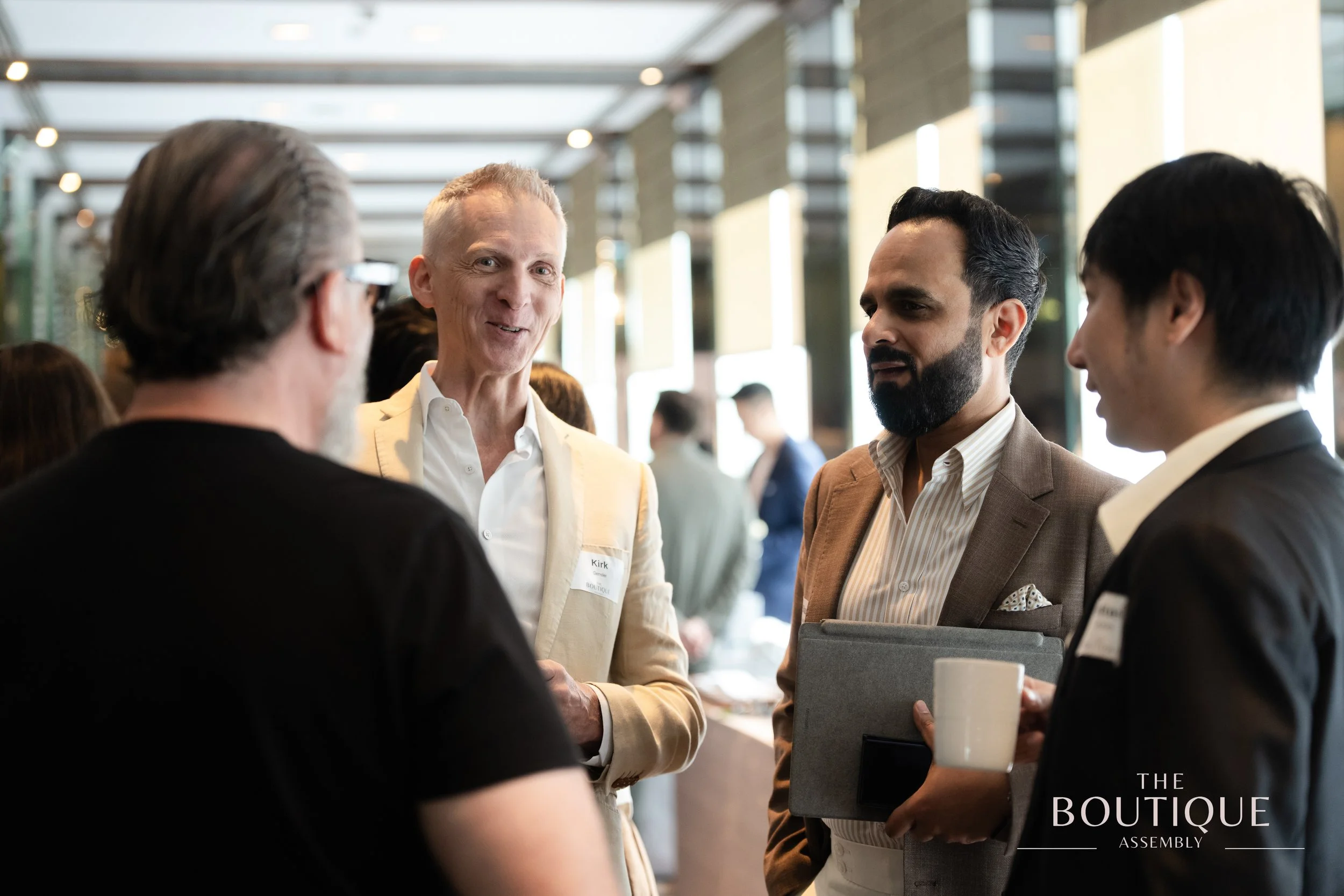
Around 120 people came together from across the region and further afield: boutique hotel owners, developers, operators, architects, designers, consultants and a few professional opinion-havers like myself. It was a diverse room, but one connected by a shared interest in building hotels with more character, more relevance and, ideally, fewer beige all-day dining rooms.
That mix mattered. When the people discussing a hotel extend beyond any one discipline, the conversation changes. Design meets operations. Vision meets viability. The guest experience meets the uncomfortable question of whether anyone will actually pay for it.
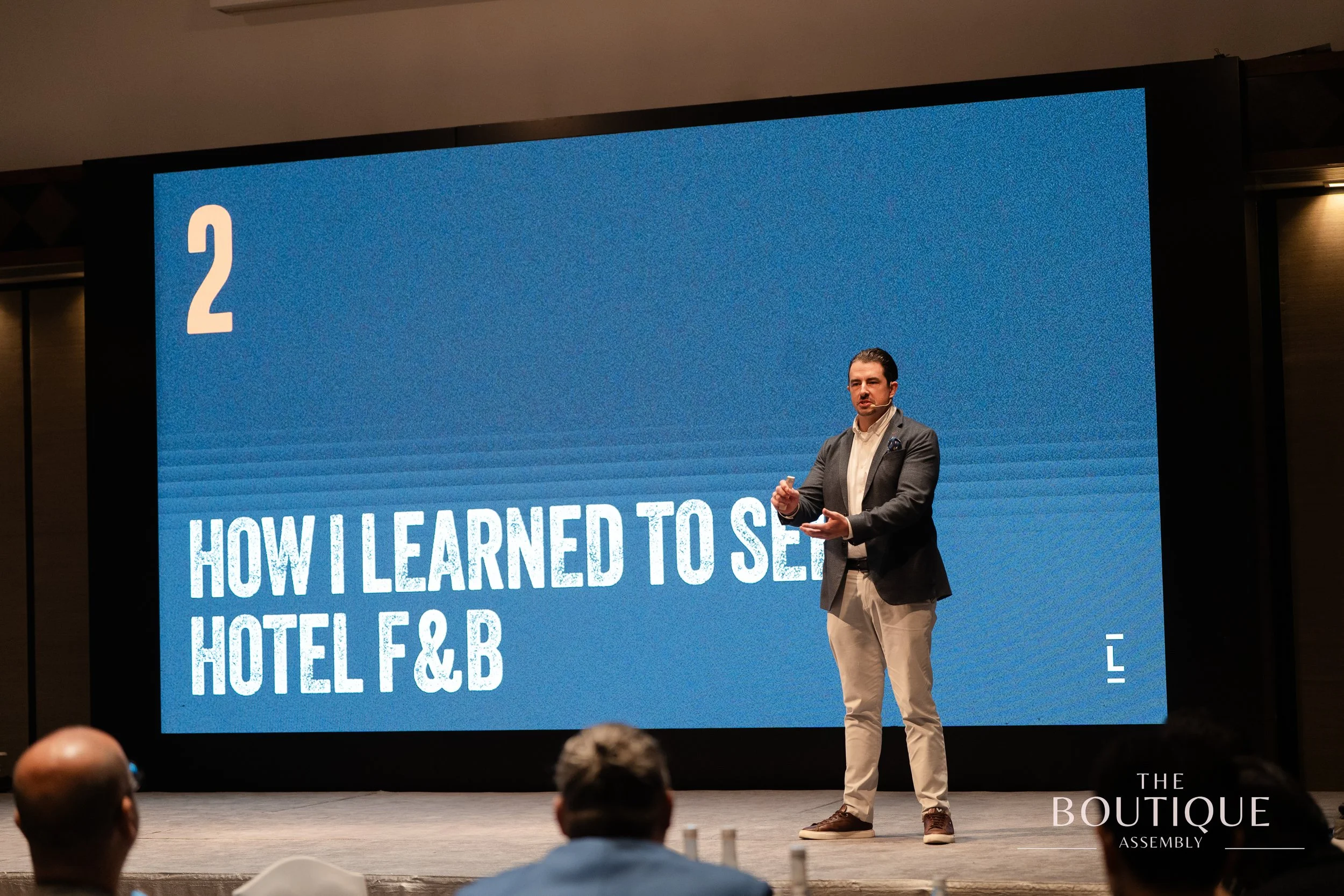
I was invited to speak about one of my favourite subjects: hotel restaurants and bars, why so many struggle to connect with their cities and what needs to change if we want them to become genuine destinations again.
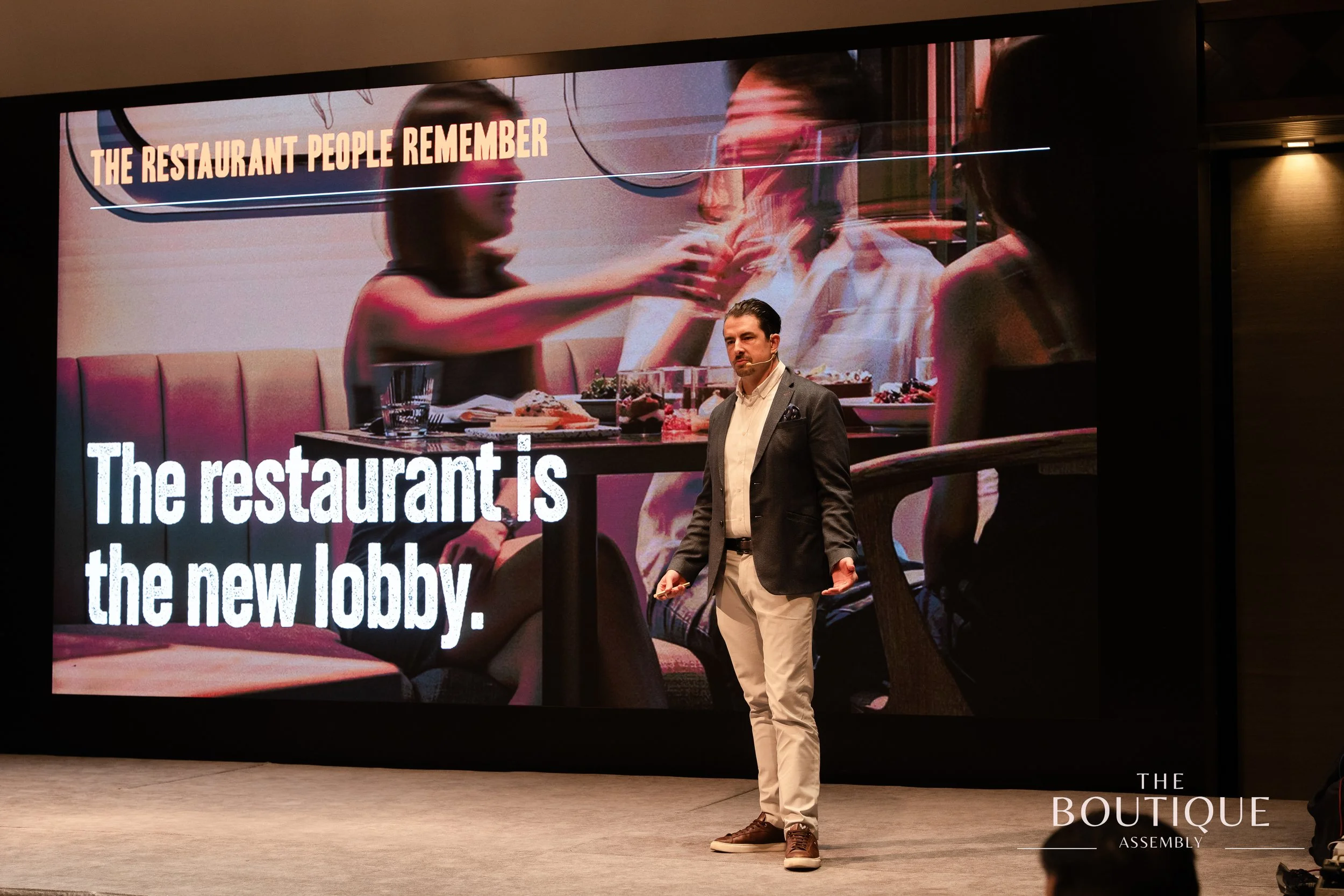
The title of my talk was The Restaurant Is the New Lobby.
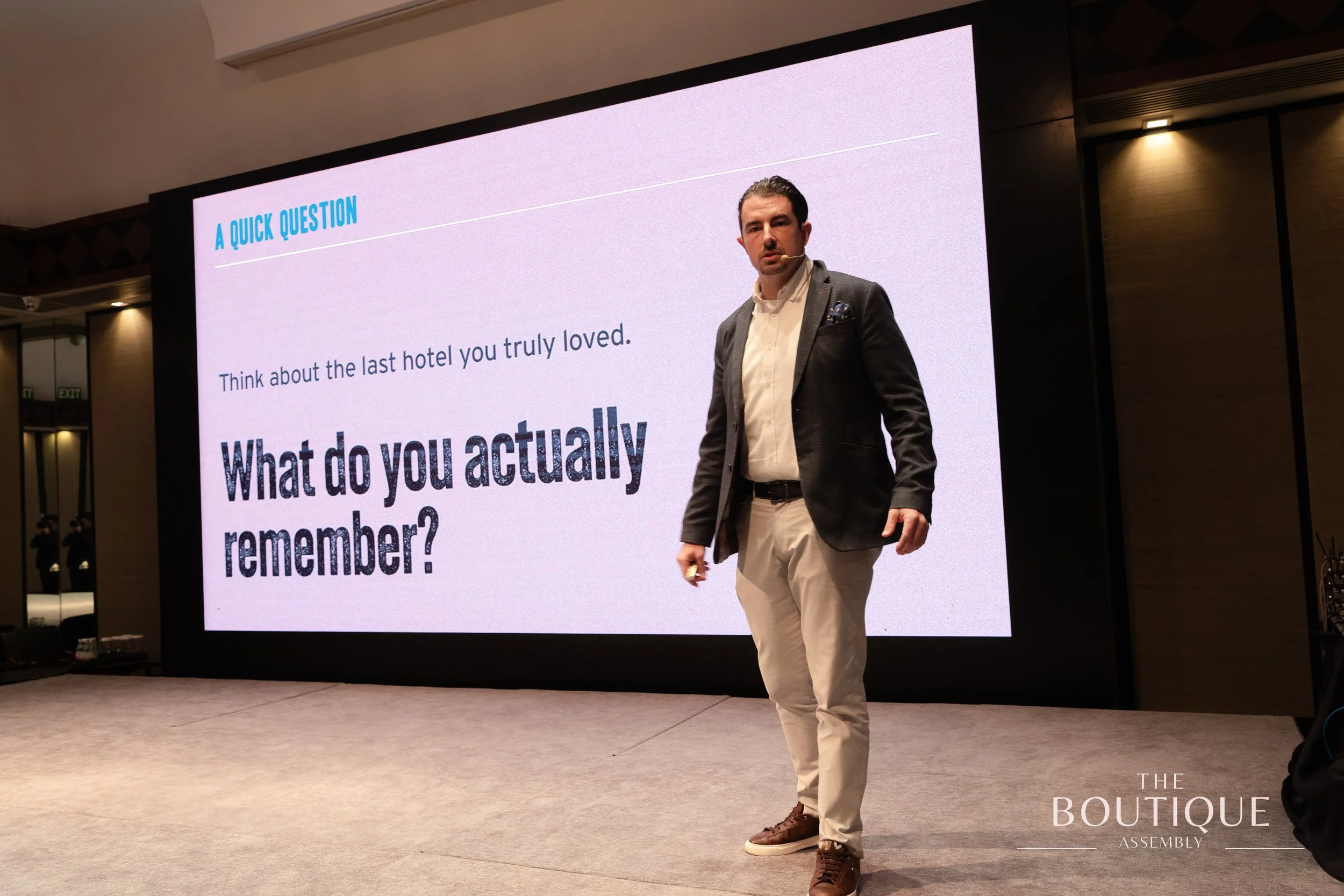
What do we actually remember about a hotel?
I began with a simple question: think about the last hotel you truly loved. What do you remember?
Probably not the corridor. Probably not the lift. Probably not the room layout, unless something went very wrong.
What stays with us are the human moments. The bar where we remained longer than intended. The breakfast we talked about after returning home. The server who remembered our coffee order after the first morning. The restaurant that helped us discover the city instead of simply checking into it.
That is why I believe the restaurant is becoming the new lobby. It is where the hotel becomes public. It is where guests and locals gather, where the property expresses a point of view and where people choose to stay, return and bring others.
The lobby may be where guests arrive. Increasingly, the restaurant is where the hotel comes alive.
The hotel now competes with the city
Hotel restaurants were once judged largely against other hotel restaurants. Today, their competitive set is the entire city.
That means the café with a queue on Saturday morning. The listening bar built around a genuine music community. The chef-led restaurant with an unmistakable culinary identity. The neighbourhood wine bar where the owner is in the room and the regulars know one another.
Independent venues often begin with a point of view. Hotels too often begin with a space allocation.
We label a box “all-day dining”, “specialty restaurant” or “rooftop bar” and mistake the category for the concept. But a meal period is not an identity. A cuisine is not a complete idea. A location on the roof is not, by itself, a reason to visit.
The question that changes the brief is this:
Would the city care about this venue if there were no rooms upstairs?
If the answer is no, we may have created a useful amenity. We have not yet created a destination.
Nobody sets out to build a bad restaurant
This was the central argument of my talk.
Nobody begins a hotel project hoping to create an irrelevant restaurant. Bad hotel F&B is rarely the product of one spectacularly terrible decision.
More often, a good concept is weakened by a hundred reasonable decisions made separately.
The owner makes a sensible commercial decision. The designer makes a sensible aesthetic decision. The operator makes a sensible practical decision. The chef makes a sensible menu decision. Procurement, engineering, branding and marketing each do the same.
Viewed individually, every decision can be defended. Viewed together, they may create a completely different restaurant from the one everyone originally agreed to build.
This is what makes hotel F&B so difficult. There are many stakeholders, long timelines, leadership changes, budget reviews, value-engineering exercises and handovers. The project remembers the budget. It does not automatically remember the feeling.
A strong concept therefore cannot just be a presentation delivered near the beginning of the project. It has to become a shared decision-making tool.
Or, put more simply: a concept is not a PowerPoint.
Build. Align. Protect.
At LEVELS, we increasingly think about concept development through three connected responsibilities.
Build the idea
Define who the venue is for, why they will come, what makes it distinct and how it needs to operate.
A good concept does not make every future decision. It gives the team a consistent way to make those decisions. It explains not only what the restaurant should become, but what it should not become.
Align the people
The owner, operator, chef, designer, architect, consultants and marketing team all need to be building the same restaurant.
Alignment is not one workshop and a round of approving nods. It is a repeated act, especially when new stakeholders join. Every handover creates the possibility of a new interpretation.
The project will usually remember what was approved. Alignment protects why it was approved.
Protect the concept
As the project becomes real, the idea must survive design development, budgets, operational reviews, value engineering, procurement, pre-opening and, eventually, the market.
This does not mean refusing to change anything. Projects have to evolve. But there is an important difference between evolution and drift.
Change is allowed. Drift is not.
What boutique thinking looks like
During the talk, I used Yellow Fin Horse at Else Kuala Lumpur as an example of what happens when a hotel restaurant begins with a clear relationship to place.
Else is a 49-room independent hotel in the heart of Chinatown. It was conceived to feel locally rooted, working with Malaysian designers, architects, artists and makers. Malaysian chef Jun Wong was brought in to create and lead Yellow Fin Horse.
The restaurant does not feel like an outlet inserted into a hotel. The food, space, atmosphere and service all speak the same language: elemental, warm, personal and deliberately unstiff. Its open kitchen makes cooking part of the experience, while collaborations with chefs, artists and DJs give people fresh reasons to return.
It demonstrates an important principle: community is not built through one grand declaration. It is built through repeated invitations.
Carrying the memory of a concept
I also shared the development journey of Sabato’s at Kimpton Naluria Kuala Lumpur, a project that took roughly five years and passed through multiple owner-side project managers, corporate F&B leaders, design changes, consultants and, for good measure, a global pandemic.
Sabato’s began with more than the instruction to create an Italian restaurant. The concept combined 1970s New York, disco energy, a red-sauce revival, generous New World Italian cooking and the promise of a proper night out rather than another polite hotel dinner.
Then came the real project.
At one point, pizza entered the conversation. Pizza can be popular and profitable. It was an entirely reasonable suggestion. But the question was not simply whether pizza could make money. It was what pizza would change: the kitchen, the equipment, the takeaway packaging, the guest expectation, the service rhythm and, eventually, the identity.
One small decision can quietly become a different restaurant.
The lesson was not “never change the menu”. It was to protect the whole idea, rather than evaluating only the decision immediately in front of us.
Someone has to carry the memory of the concept until the operating team can truly own it.
Opening is when the market joins the conversation
Even a well-conceived restaurant can open beautifully and fail to connect with its city.
This is where hotel marketing often becomes part of the problem. A restaurant may have been designed as a distinct brand, then marketed like one more hotel department alongside rooms, weddings, spa packages, meetings and the pool.
Concept protection therefore continues after opening. It lives in the stories the venue tells, the visual language it uses, the partnerships it forms and the reasons it creates for people to return.
Local relevance cannot simply be claimed in the launch copy. A hotel cannot open in a neighbourhood and declare itself part of it. It has to contribute: through local roasters, guest chefs, artists, music, industry nights, collaborations and genuine participation.
The identity is the starting point. The relationship is the work.
Three questions for the next hotel project
I ended my talk with three questions that I believe every hotel owner, developer and operator should ask:
Would locals visit if there were no rooms upstairs?
Can every major stakeholder describe the same guest and the same reason to visit?
Who is responsible for remembering, protecting and activating the idea?
The answers reveal whether the project is creating an amenity or a destination.
More importantly, they remind us that we are not only designing spaces. We are designing reasons: a reason to leave the room, stay for dinner, remember the people, return with friends and take a story home.
The restaurant is not simply another department within the hotel. At its best, it is the hotel’s relationship with the city.
Thank you again to Sanjog, Julie and everyone at The Boutique Assembly for creating such an engaged room and for continuing the conversation long after the talk finished. It was a privilege to be part of it.
If you are developing a hotel restaurant or bar and would like to discuss how to build, align and protect the concept, get in touch with LEVELS at www.levels-experience.com.
A look back at The Boutique Assembly in Bangkok: the conversations, ideas and people behind the day.
